

That’s a picture of Neil Sedaka up top. Take a good look. Can you really believe this guy had two #1 hits in 1975. Oy vey, this is a rockstar?
The word “rockstar” itself connotes a certain image. If I asked you to picture a “rockstar” there are a few ways to go – the attractive pretty boy type like Rick Springfield, maybe a dangerous looking Jimmy Page archetype, or more rough trade like Ron Wood. No matter which option you’re picturing, there’s some leather pants involved.
But Neil Sedaka? He looks like a bad muppet rendering of Jim Nabors or if my dentist got to go on stage as part of the Make-A-Wish Foundation.
I’m fascinated by the 1970s and how major hitmakers looked like they could be your beta-male brother-in-law.
Video Killed the Radio Star?
I reject the Buggles’ idea that pre-MTV rock stars could get away with looking like troglodytes. Yes, music videos demanded that things look more visual – but I reject the theory that image didn’t matter before Prince and Madonna.
Television already existed before video and pop stars had to appear on showcases like American Bandstand, Midnight Special, etc. for decades. Elvis’ looks were a huge part of his success, and for teen idols like Bobby Sherman or Shaun Cassidy (ask your grandparents), appearance counted for even more.
Yet, let’s look at the top 5 charting musicians of 1975: The Captain & Tennille, Glen Campbell, Elton John, Freddy Fender, and Frankie Valli. Three of those dudes looked like they worked at the auto body shop, “the Captain” (Darryl Dragon) looked like a guy who rents boats by the hour, and Elton John came off like your aunt’s weird friend.
None of this stopped them from appearing on television.
The Nebbishy Rock Star Hall-of-Fame
The soft rock era had a bunch of these guys. I’m gonna line them up here for a roll call, with the profession they look like in italics
Rupert Holmes
stereo salesman
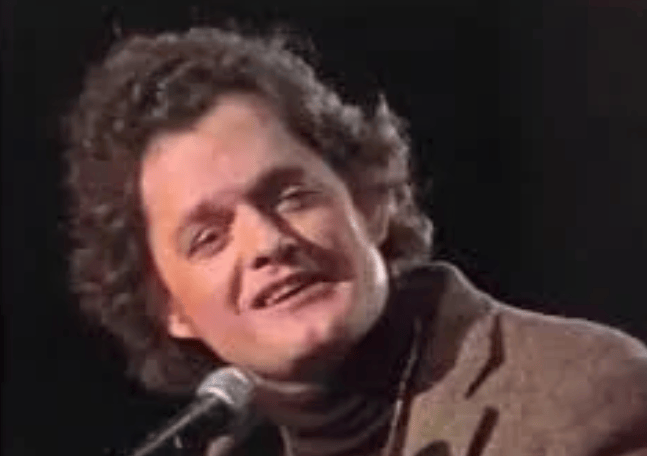
Harry Chapin
community college psychology professor
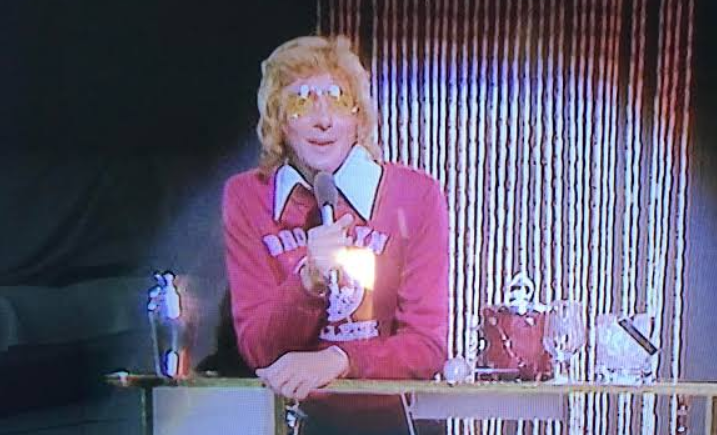
Barry Manilow
maitre d’
Gilbert O’Sullivan
youth pastor
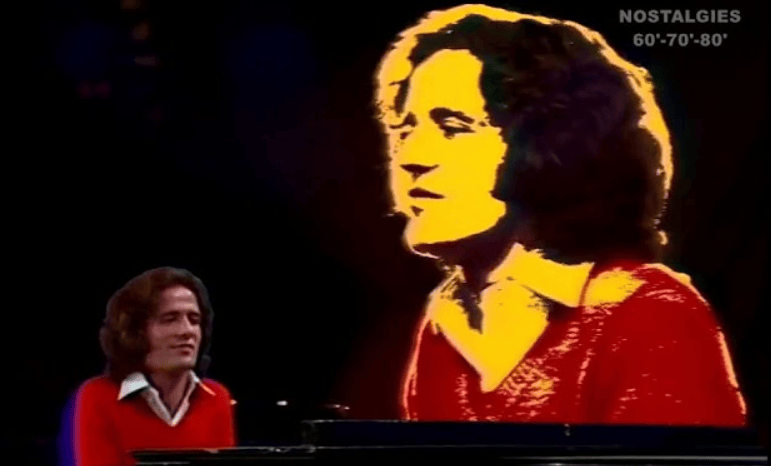
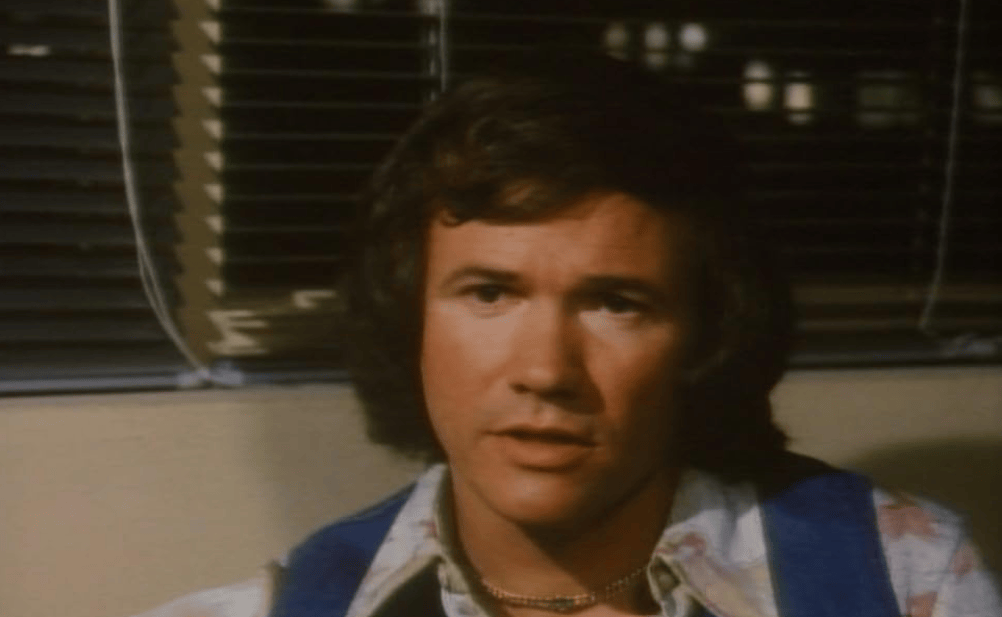
David Gates (of Bread fame)
manager, men’s clothing store
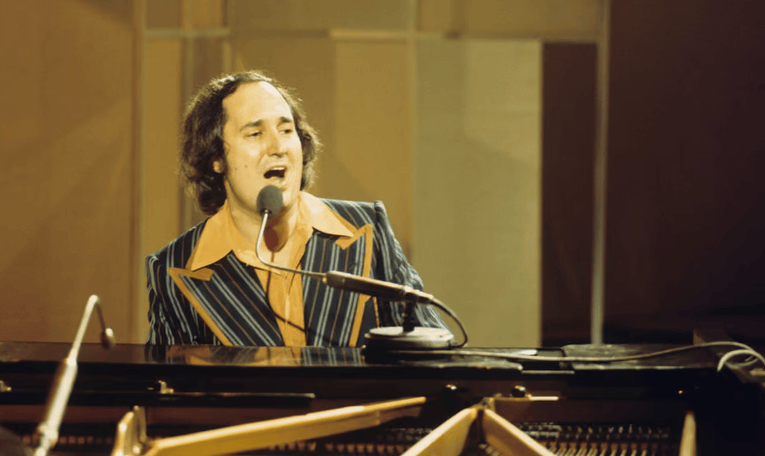
Neil Sedaka
anesthesiologist
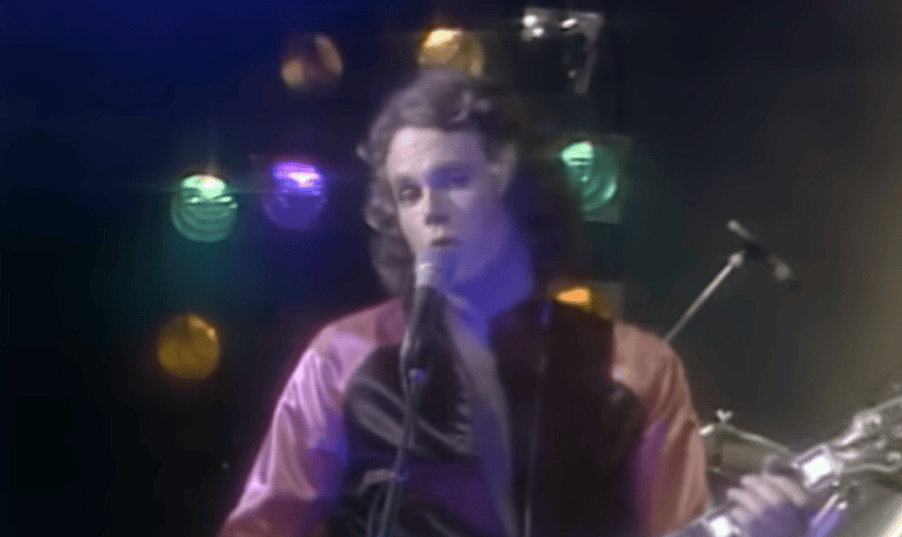
Walter Egan
suspended P.E. teacher
Stephen Bishop
self-help guru
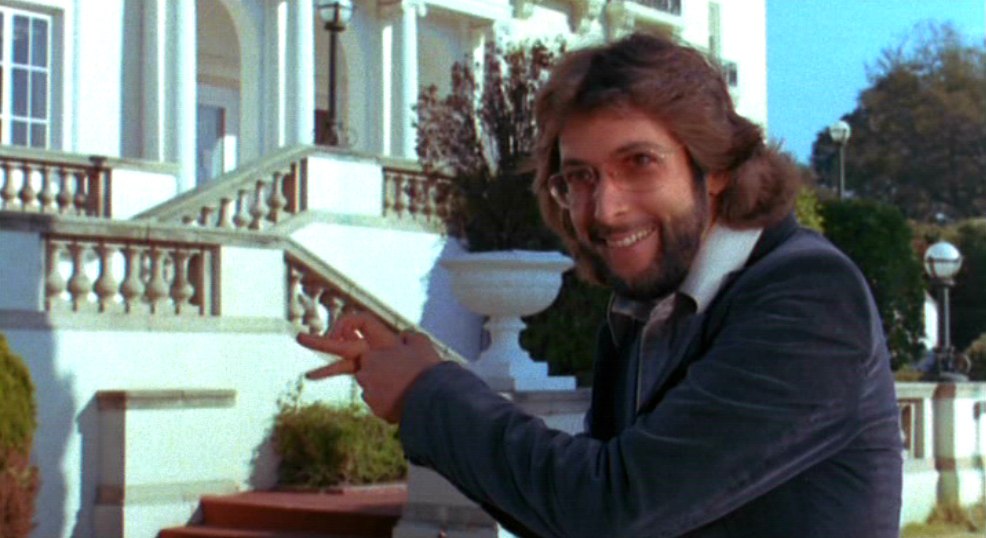
I could go on and on (sorry for the Stephen Bishop pun) with guys who looked more like rockstars’ accountants than rockstars: Don McLean, Gordon Lightfoot, Randy VanWarmer, John Stewart, Kenny Nolan, Simon & Garfunkel. Out of the 14 guys I just mentioned, I think 6 of them had #1 singles.
And they would all be described more as “a dentist” than “an Adonis”. What gives?
At the Very Same Time
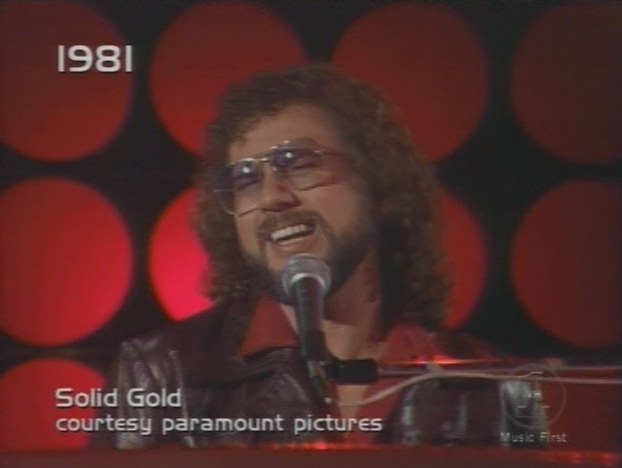
These soft-rock legends frequently had no stage act, and no visible trace of charisma. Yet still appeared on Solid Gold or 1970s variety shows.
Meanwhile, they coexisted on the charts and on network television with groundbreaking personae like David Bowie, Freddie Mercury, Alice Cooper. Change the channel from John Denver making an appearance on the Shields & Yarnell variety show, and you could see a punk band on another channel.
Some bands’ image was a major part of the act. Others like the ones celebrated here were pumping out enormous pop hits despite no discernible stage presence.
Why?
I’d like to say that it was a golden era where you could just sound interesting on your own merits and talent, not your image. But I think that would be bullshit.
Television in the 1970s was lazy, slow, and only had three network channels to compete with. Watch an episode of CHiPs or Mannix and you’ll find about 20 minutes of pure exterior shot filler in a 44-minute episode.
MTV didn’t invent the idea of needing to look visually interesting. I mean The Cars were killing it in early 1980s music video and Rik Ocasek was no Tom Selleck. (I apologize to anybody under 50 who’s reading this.) But the pure speed of music video editing at least created the feeling that something interesting needed to be happening at all times.
I just don’t think I’ll ever get over the weirdness of the 1970s. One of the aspects that I cherish are the simultaneous presence of the bizarre and the boring. Petula Clark and Vanilla Fudge were next to each other on the charts. Andy Kaufman and Abe Vigoda could be on the same channel in the same night. And David Bowie and Neil Sedaka were in the same business.
What a time.


Comments