

I’ve been a TV critic for years. Now that I think about it, they’ve been pretty lean ones for network TV. All the prestige and advancement of the form has taken place on cable more or less since The Sopranos hit the air. But when quantity pays the bills, quality can’t be a concern for the critic. That means I’ve spent more hours than I’d like to remember sitting through some truly abysmal programming. At a certain point, it’s impossible to say anything kind or even of substance about a show like, say, Heroes, so every article becomes an exercise in cutting deeper and deeper into the show’s worst elements. Maybe it’s situational sadism, or maybe it’s the only thing of value to the process of critiquing art of little merit.
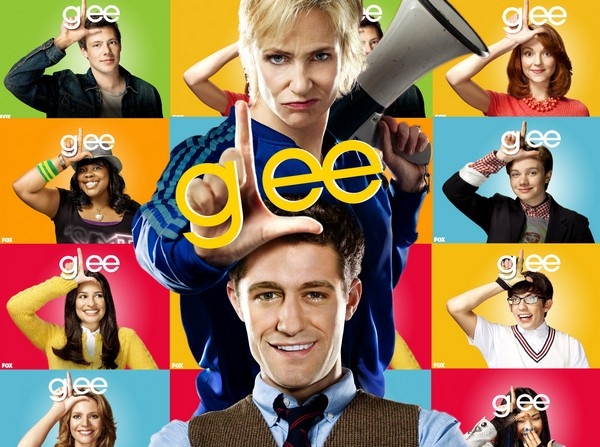
Which brings me to a minor revelation: Despite being an off-the-rails monstrosity since the end of its first season (and an intermittent sour note in an otherwise interesting production long before that), I’ve yet to run out of good things to say about Glee.
Let’s not kid ourselves, Glee is far from a good show. It doesn’t even approach being solid in its writing, acting or even visual tone and its connection to its fans (a fervent but dwindling lot) is tenuous at best. Still, there’s nothing quite like it on TV, even with the rise of other scripted musical series on the horizon. The reason actually has little to do with the musical portions of the show. Those are merely incidental to why Glee is still relevant, deserving of its time slot and occasionally rather good.
You see, Glee is a 21st century variety show.
The beauty of a variety show is that nothing, from the best bits to the most wretched flops, last for very long. It makes the highs incredibly high without requiring much build-up or really any cool-down, while the lows effervesce off the screen in a matter of moments, possibly to never return in any form. To Glee‘s credit, most of the truly awful things it does don’t resurface. Will Schuester has yet to rap with his frumpy fellow teachers again and the gold standard of misconception that was “Rocky Horror Glee Show” has yet to be supplanted. Sure, in any given episode of the show there will be at least a half dozen scenes that fall flat or come out of the worst neighborhood in crazy town, but they pass with as little consequence as a bad joke on Family Guy. Minute to minute, scene to scene, song to song, Glee is modern entertainment through the filter of a goldfish’s memory.
This means Glee will never be the great show it hinted it might have been early in its first season, though it’s doubtful that version of the show would have survived long enough to give us even the three ridiculous seasons already in the can. A high school satire that fuels musical fantasies with a choice selection of desperation and angst doesn’t and likely never will have the power to draw massive ratings.
So, given the show we have today, it’s worthwhile to examine what Glee still has to offer. My approach to the show is that it works like a conveyor-belt sushi restaurant. Revolving around every episode is the potential for wordy comedy, serialized drama, social commentary, Broadway, Top 40, wild costumes and whatever craziness emerges unbidden from Ian Brennan’s glorious nightmares (cheerleader cannon, anyone?) but we viewers will never get a solid hour of any of those things. We’ll get little nibbles in one, two or three-minute segments that mostly don’t interact at all or even have much consequence in later episodes. Good TV? No, but hardly boring.
In the end, when Glee manages to nail the emotional intensity of a song, display one of frequent-director Eric Stoltz’s crackerjack editing sequences or give one of the show’s better dramatic actors a meaty monologue, it’s temporarily better than most of what’s on TV. It never lasts and something utterly stupid is bound to track mud across a nearby segment of the episode, but that just makes the two-minute moments of glory that much more interesting. Nobody talks about the Saturday Night Live sketches or Carol Burnett Show bits that nobody much liked, but the home runs become part of the pop culture pantheon. I’ll gladly take Glee as a variety show offering up little nibbles of everything that’s on TV today and even a few things that aren’t.
Because honestly, if I had to take it as an attempt at a coherent project, I’d have no choice but to be merciless with its maddening inconsistency.


Comments